Difference Between SPD, MCB, and RCD
Let me introduce you to three key safety components you will need to consider — SPD, MCB and RCD. Although their names may sound technical or similar in some ways, they each have very different functions...
Difference Between SPD, MCB, and RCD: A Complete Guide for Homeowners
When did you last check your home for electrical safety? If you're like most homeowners, you have tuned out that question implying the only time you think about it is if your switchboard is on you are good. But have you taken a moment to think about how your home has continued to protect you and your family from unforeseen electrical situations like a lightning strike, short circuit, or leaking current?
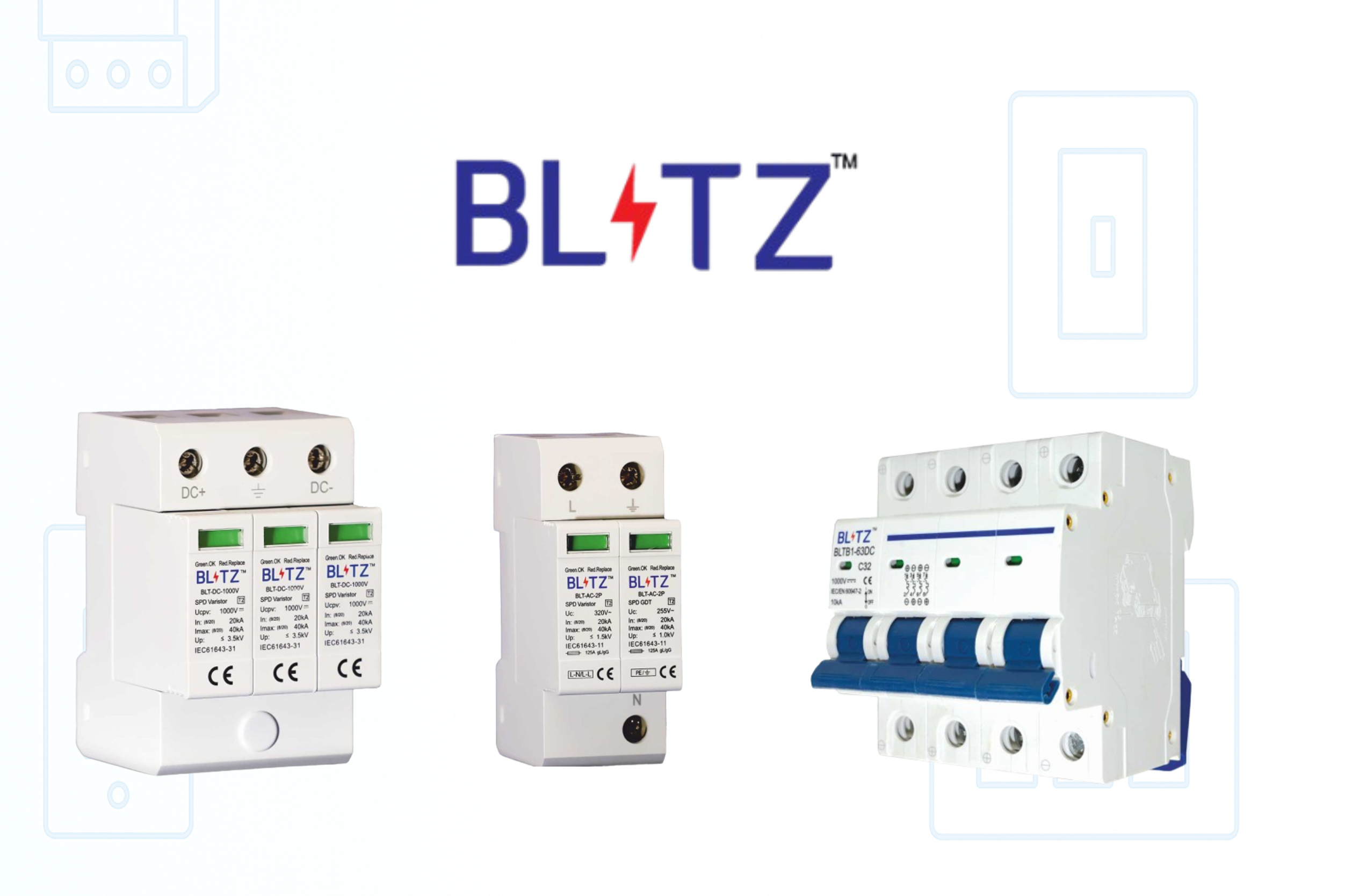
Let me introduce you to three key safety components you will need to consider — SPD (Surge Protection Device), MCB (Miniature Circuit Breaker), and RCD (Residual Current Device). Although their names may sound technical or similar in some ways, they each have very different functions when it comes to keeping your home, appliances, and your family (most importantly) protected! Let me take you through what they are, what they do, and why you should NOT be seen ignoring them when planning your electrical or solar system setup!
What is SPD and Why Do You Want it?
After imagining a night with wind and rain, you see an electrical surge travel through the powerline and into your main distribution box when a bolt of lightning struck close to your residence. What now?
Without an SPD, your valuable electric equipment — your LED TV, your fridge, and sure enough your solar inverter — are likely to be obliterated in seconds. However, with an SPD device installed in proximity to the main panel, when an unexpected high voltage comes along, the SPD will detect the high voltage and divert the surge safely to the ground before it finds its way to your devices.
In other words, SPD keeps your electronics safe from voltage spikes caused by either a lightning strike or glitches from the power grid. SPDs are extremely important to have, especially with an installed solar and with SPDs on both the DC and AC sides to protect your investment.
What's MCB? The Unsung Hero in Every Circuit
Now let's say, someone operates a room heater, iron, and microwave all on the same line — what happens?
The wire heats up, then it exceeds the current that the wire can carry, and if not monitored, could create a fire hazard. Now enter the MCB. It constantly monitors the current that is flowing through the circuit, and when the current exceeds safe limits due to an overloaded circuit or a short circuit, the MCB trips — killing power to that circuit.
What makes the MCB such an essential device is that it prevents fires. MCB protects not just your devices, but your wiring, walls, and property from catching fire from overheating. Embedded in your distribution board from the main, the MCB is the first line of electric safety in the household circuit in every Indian home.
What is RCD, Your Hitherto Unknown Lifesaver
Let's take it a step further. You are bare-footed using a washing machine in your bathroom. Unbeknownst to you, there is a minute fault in the wiring. Electricity is leaking through the outer metal body. The minute you touch it — you are shocked.
This is where the RCD comes into play. While an MCB or an SPD protects devices and wiring, RCDs protect you. An RCD works by continually comparing the current going INTO a circuit with the current going BACK from the circuit. If any part of the current leaks — for example, through your body — it trips, usually within milliseconds, switching off your power instantly.
In wet areas such as kitchens, wetrooms, bathrooms and outside sockets, an RCD is, in fact, the difference between life and death. RCDs are also used to monitor leakage from panels, inverters or batteries, when used in modern solar installations.
So Why Do You Need All Three?
- SPD - is the outer wall of your castle, protecting you from external threats like lightning or utility grid surges.
- MCB - is a guard within your castle, checking to see no one is bringing explosives inside (overload/short circuit).
- RCD - is a bodyguard protecting you from harm when you're blindsided with an unexpected moment of danger.
Each device is created to protect you from a specific type of threat. A SPD cannot replace a MCB, nor can a MCB replace an RCD. In fact, all three devices are designed to work together—three layers of protection—something every modern home should consider especially if you are thinking about going solar. If you are thinking about installing solar, discuss with your solar EPC about the appropriate AC and DC side SPD requirements, MCBs for load segregation, and RCDs to help protect against shorting in human-interactive zones. Even though many homes in India still have just a MCB, we have smart gadgets in our homes now, automated homes and monitoring... and now solar! It is non-negotiable that you have layers of protection.
FAQs
Conclusion
Homes today use more energy than ever - smart televisions, refrigerators, washing machines, air conditioners, EV chargers, and solar panels, all using energy. With that energy comes a responsibility to protect your home and loved ones.
When you install SPD, MCB, and RCD you are now using a multi-layered safety protection solution that protects your devices, your home, and your life. If you are building a new home, putting in solar, or just replacing your switchboard - do not miss these three safety essentials.