Difference Between SPD and Surge Protector
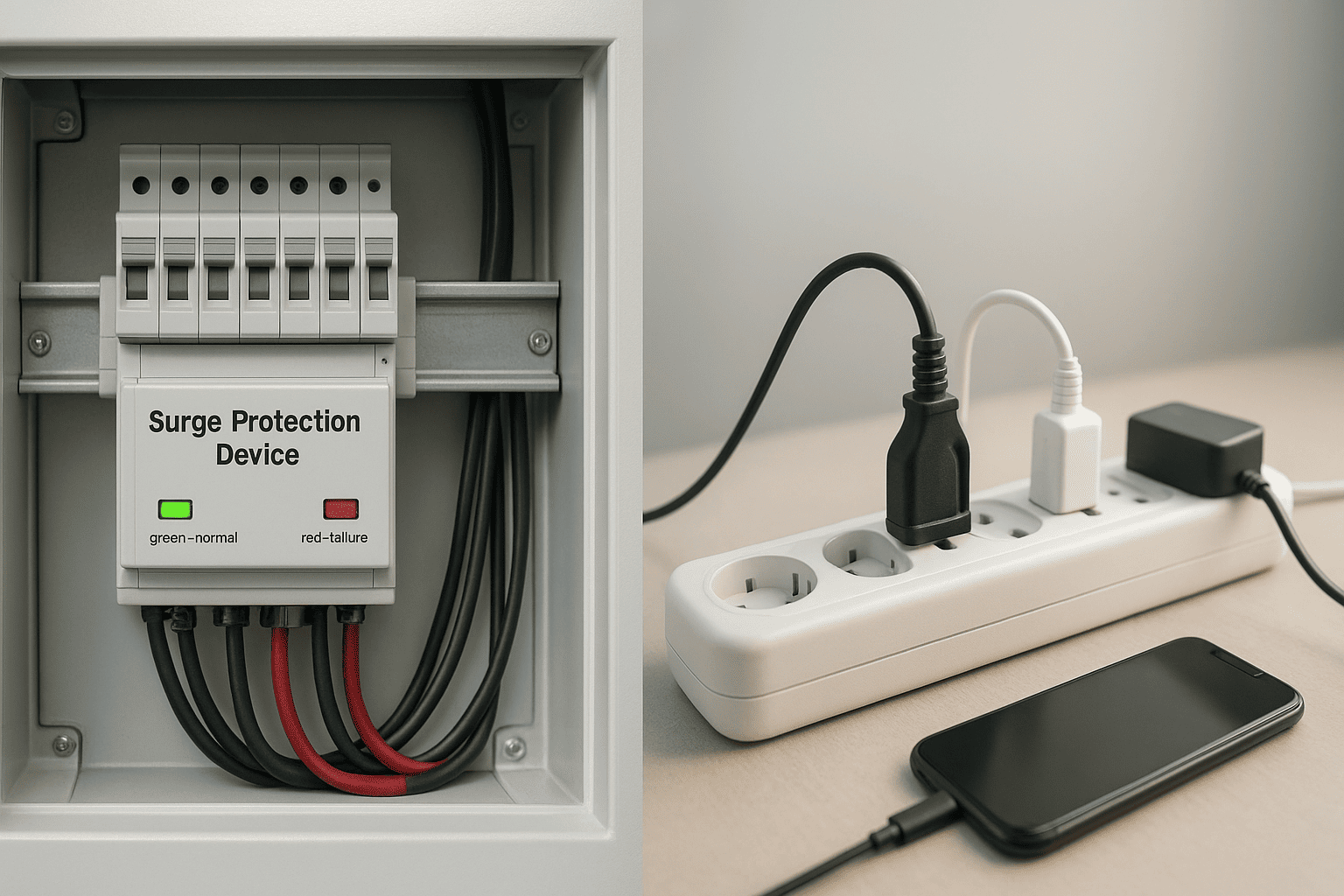
Surge Protection Devices (SPDs) are designed for industrial, commercial, and solar electrical systems, protecting sensitive equipment from voltage spikes.
Difference Between SPD and Surge Protector
Electricity is a very important aspect in contemporary society as we use it in our households, offices, and industries. Large surges or sudden voltage spikes can damage delicate electrical equipment. This is where protective devices like SPD (Surge Protection Device) and Surge Protectors come into play.
Both terms are sometimes used interchangeably, but they clearly differ in design, usage, and performance. In this blog, we will unravel the distinction between SPD and Surge Protector, how they work, the types, and advantages of each, and help you choose the one suitable for your needs.
What is an SPD (Surge Protection Device)?
An SPD is designed to protect electrical systems and equipment from transient overvoltages caused by lightning, switching operations, or grid fluctuations.
- Function: Diverts excess voltage safely to the ground.
- Application: Installed inside distribution boards, solar systems, or industrial panels.
- Standards: Manufactured as per IEC 61643 or IS/IEC standards.
In simple terms, an SPD is an "electrical-grade" safeguard against power surges in homes, factories, and solar plants.
What is a Surge Protector?
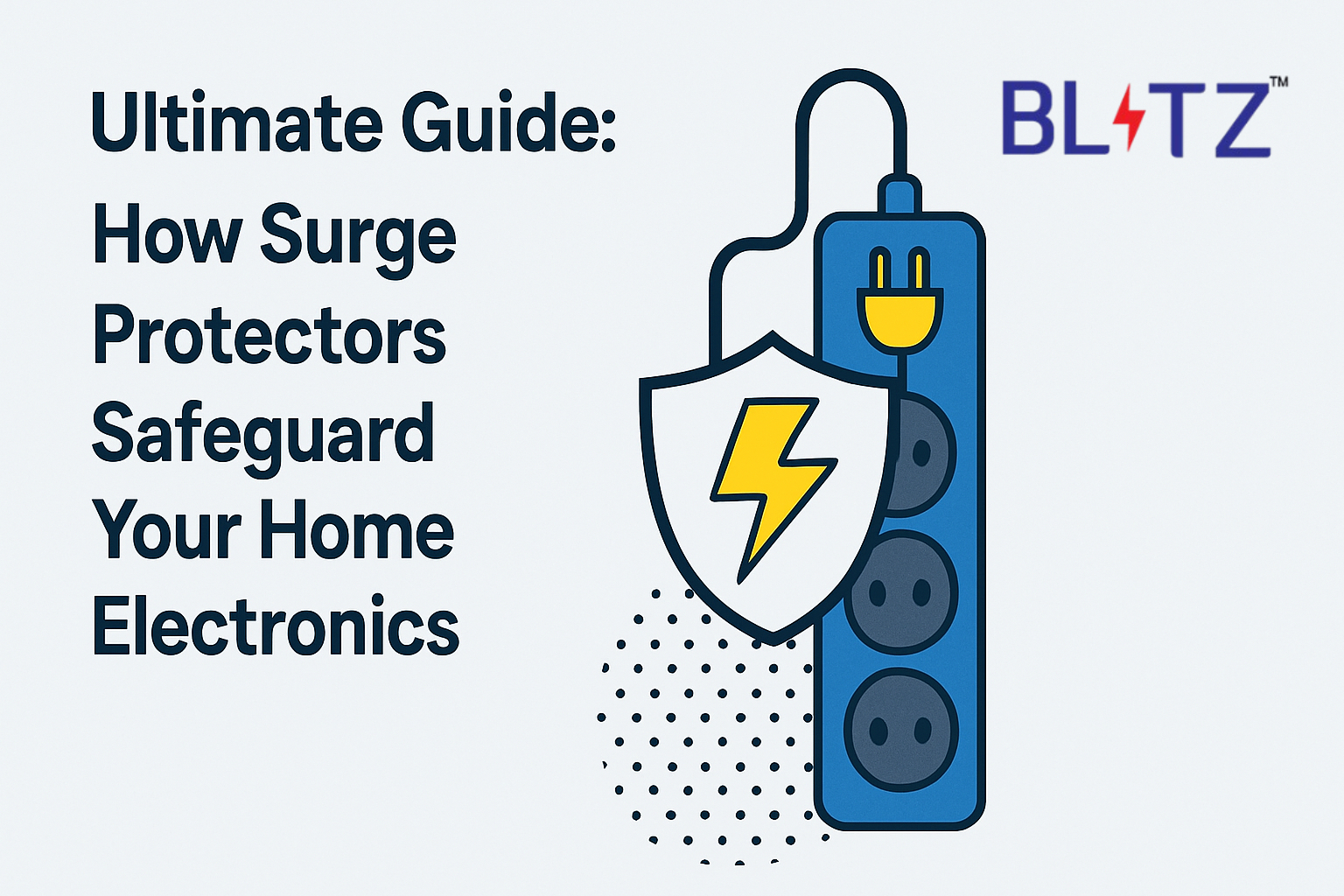
A Surge Protector is a low-level device, often seen as a power strip with multiple sockets, designed to protect household appliances and electronic devices from minor power surges.
- Function: Prevents small voltage spikes to protect devices such as TVs, laptops, and chargers.
- Use: Plugged into wall outlets for daily use.
- Typical Application: Residential and commercial setups.
Unlike SPDs, surge protectors are not meant for entire systems but for individual electronic devices.
Key Differences Between SPD and Surge Protector
| Feature | SPD (Surge Protection Device) | Surge Protector |
|---|---|---|
| Purpose | Protects entire electrical systems | Protects individual devices |
| Installation | Mounted inside DB panels or near main supply | Plugged into wall sockets |
| Protection Level | High (handles lightning surges) | Moderate (protects against small spikes) |
| Application | Homes, industries, solar, commercial setups | TVs, computers, home appliances |
| Cost | Higher, long-term investment | Lower, affordable |
| Standards | IEC/IS compliant | Consumer electronics product |
How Does an SPD Work?
When a sudden surge occurs:
- The SPD detects excess voltage.
- It redirects the voltage safely to the grounding wire.
- The electrical system continues operating without damage.
To protect an entire house, SPDs are usually installed at the main distribution board.
How Does a Surge Protector Work?
Surge protectors typically include an MOV (Metal Oxide Varistor) which absorbs minor surges. If voltage exceeds safe levels, the MOV discharges excess energy to protect the connected device.
They are commonly used with computers, televisions, routers, and entertainment systems.
Types of SPDs
- Type 1 SPD: Installed at service entrance, protects against lightning surges.
- Type 2 SPD: Installed in distribution boards, protects against switching surges.
- Type 3 SPD: Installed close to sensitive equipment (computers, electronics).
For homes, Type 2 SPD is most commonly used.
Types of Surge Protectors
- Power Strip Surge Protector: The most common, with multiple sockets.
- Wall-Mount Surge Protector: Plugs directly into wall outlets.
- Rack-Mount Surge Protector: Used in data centers and IT installations.
Which of the Two Should You Choose?
- Homes: A surge protector is enough for small electronics. For full-home protection, install an SPD in the main DB.
- Offices: SPDs are essential for servers, networking equipment, and computers.
- Solar Systems: Use DC & AC SPDs to prevent panel and inverter damage.
- Industries: SPDs are mandatory to safeguard expensive machinery and prevent downtime.
Benefits of Using an SPD
- Protects entire electrical infrastructure.
- Reduces risk of fire from electrical surges.
- Extends life of appliances and systems.
- Essential for solar and green energy systems.
Advantages of Using a Surge Protector
- Low cost and simple to use.
- Provides multiple plug sockets.
- Protects small electronics from minor surges.
- Portable and convenient.
FAQs
Conclusion
SPD and Surge Protector differ mainly in their scope of protection. An SPD provides system-wide protection against hazardous surges like lightning, while a surge protector offers device-level protection for common electronics.
For maximum safety—especially in homes with solar systems, offices with sensitive equipment, or industries with costly machinery—using both SPDs and Surge Protectors together ensures the best protection.